This feels a bit like last December; some caution warranted if USDJPY gets to 153.70
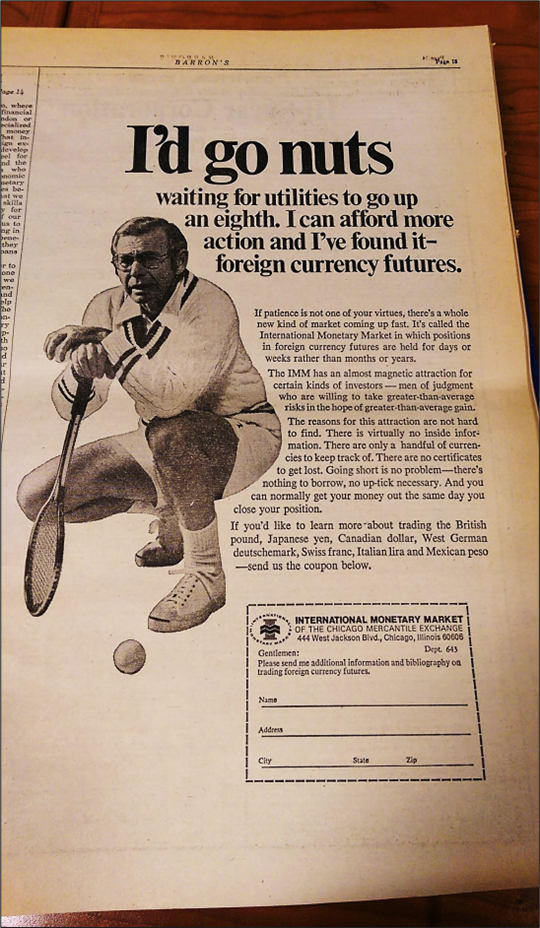
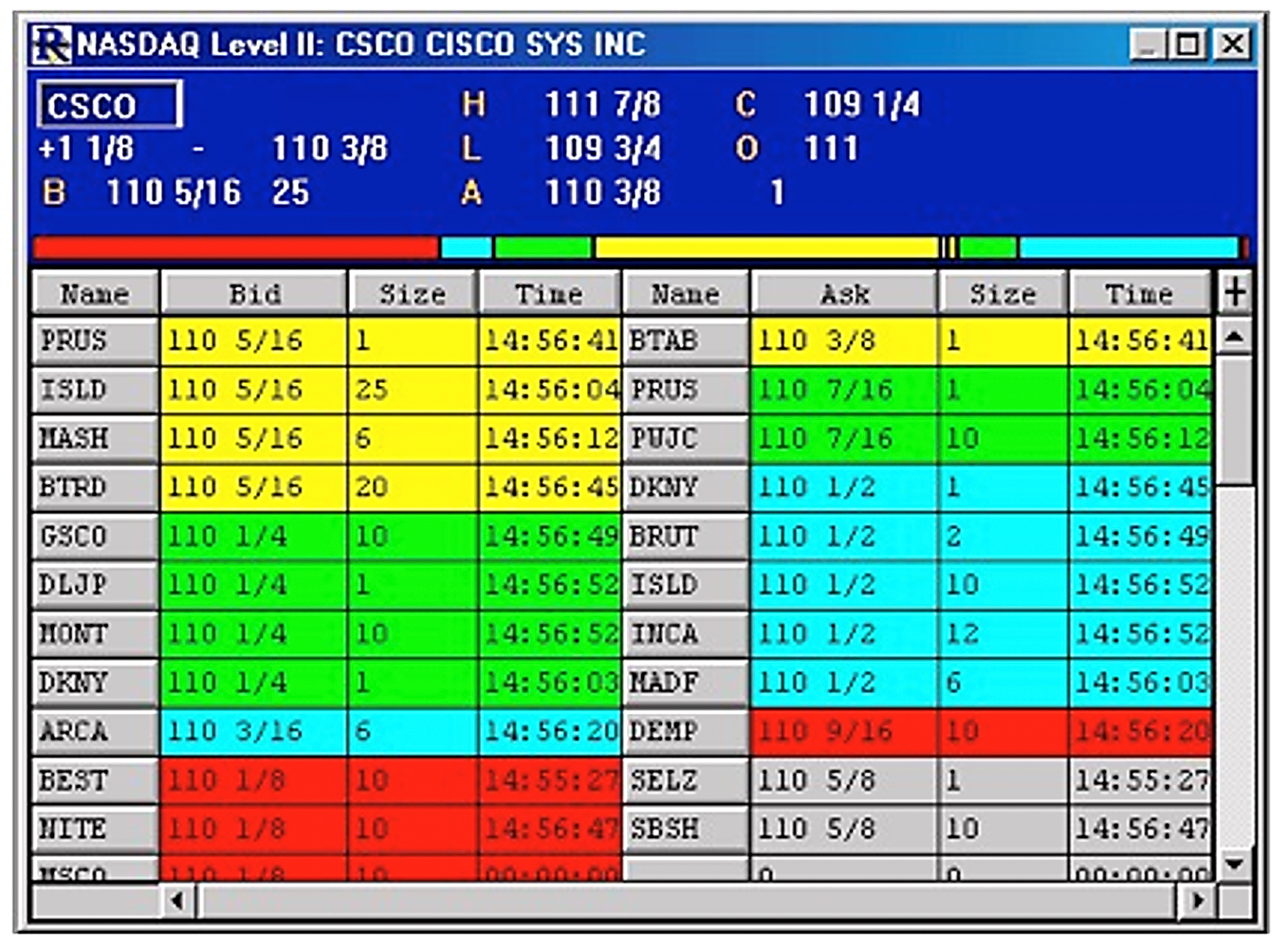
To clarify (in case you started after April 2001), stocks used to trade in fractions!

This feels a bit like last December; some caution warranted if USDJPY gets to 153.70

To clarify (in case you started after April 2001), stocks used to trade in fractions!
Flat
Ueda made enough of a hint of a nod to a chance of maybe a hike in December that the market took the ball and ran with it.
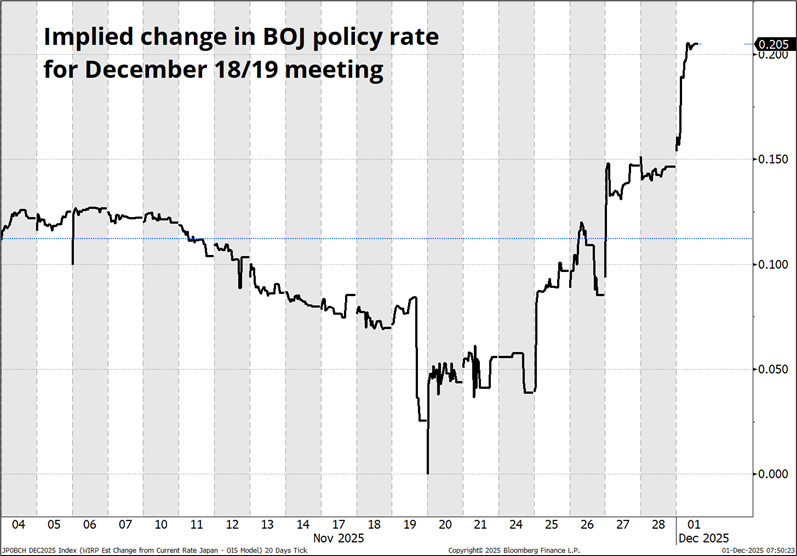
Recall we had something similar last year and then the BOJ passed in December and hiked in January. USDJPY rallied 400 points after the December 2024 BOJ meeting as the market took it as super dovish. Positioning into the meetings has been important when estimating the rate hike impact.
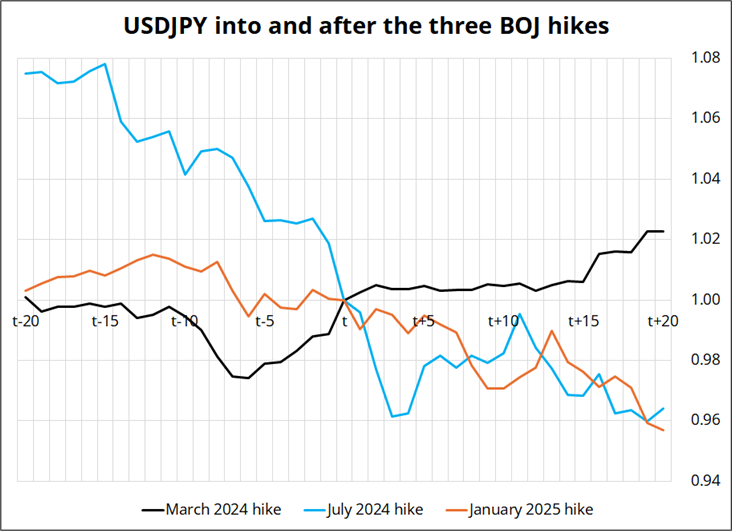
The reaction to the January 2025 hike (orange line in next chart) was minimal given it was widely expected. Same with the March 2024 hike (black line). In contrast, the July 2024 hike was more of a surprise and was accompanied by a reduction in JGB purchases and therefore yielded a larger move lower in USDJPY. The market was also offside as there was MOF intervention into mega JPY shorts a few weeks before.
Normally, given this setup, I would be advocating caution on JPY longs because the truth is that the BOJ policy rate is a tiny variable overall and US yields, Japanese fiscal policy, and still-negative real rate levels in Japan are probably of greater consequence. But with positioning short JPY, USDCNH drifting lower, negative USD seasonality in December, and a mismatch between momentum (JPY positive) and positioning (short JPY)… This does not feel like a fade to me yet.
I turned bearish USD last week (am/FX: Long NZDJPY, short USD) but whiffed in USDCAD and so only had the long NZD to show for the call. Views are easy, making money is hard. I have cancelled my limit order to sell USDCAD at 1.4138. Spot was 1.4110 at the time, but the corporate USD buyers were overwhelmed by the turn in sentiment, the hawkish RBNZ, the strong AU CPI, a more hawkish BOJ, and the resulting exit of weak USD longs.
The standard oversold measure I use for USDJPY is 1.5% below the 100-hour, which does not trigger until 153.66. Given I am still bearish USD overall, there is no reason to get in the way here.
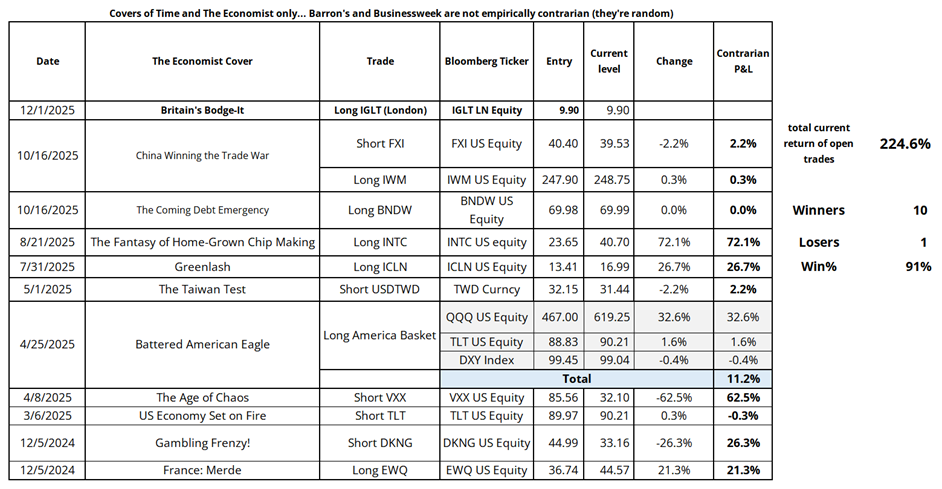
The Economist (EU Edition) featured a botched UK budget as its cover this week, which means Magazine Cover Capital goes long Gilts. “Bodge” means to make or repair something badly or clumsily. This fade The Economist trade is most simply executed via the IGLT ETF in the U.K. It offers a 4.25% yield, average duration of 7.7 years and weighted average maturity of 11.2 years.
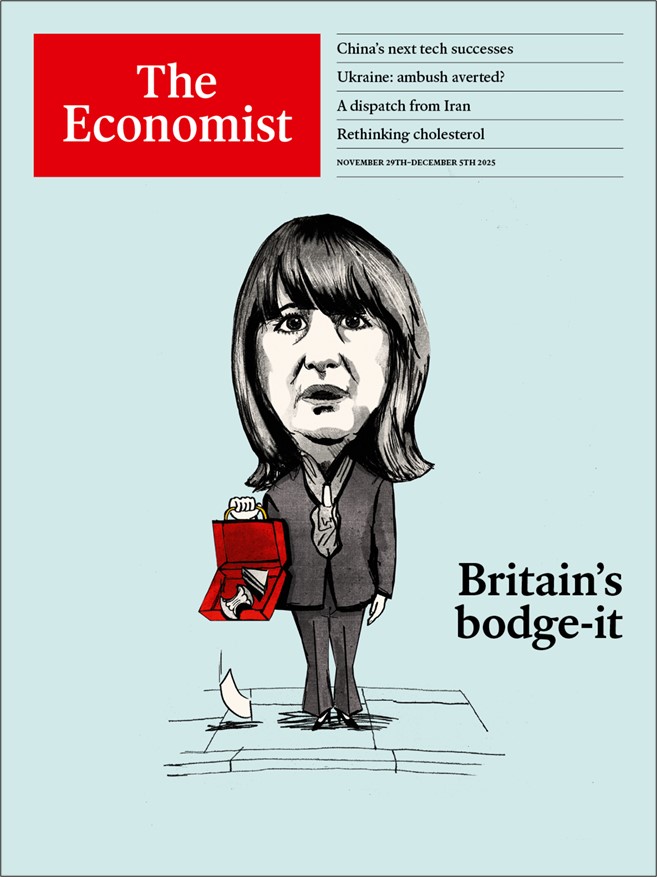
Please note a small change in methodology as of today: I will include both the US and EU covers of The Economist for consideration. The logic is identical and using both covers will allow for more trades to be executed. More trades = larger sample size = better strategy.
If you are not familiar with the Magazine Cover Indicator, please read this. That 2021 article is a follow up to a 2016 study I conducted with Greg Marks, and both showed that fading The Economist is a highly profitable approach. The effect worked as a 20-year backtest and has now worked out of sample for four years.
Here is the updated spreadsheet for all the trades in the past 12 months.
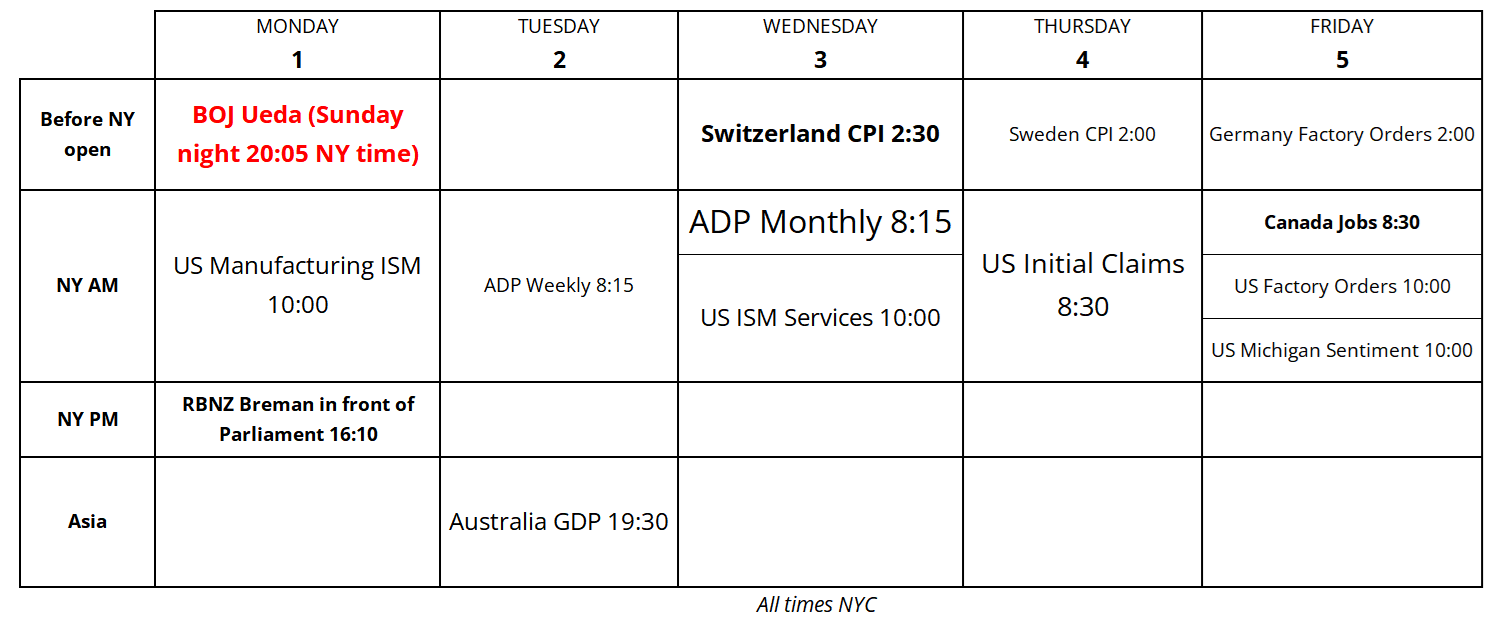
This week’s calendar is not spicy. Note Powell speaks tonight but it’s Fed Blackout so he’s extremely unlikely to say anything meaningful with regard to monetary policy. Breman speaks this afternoon, and it’s her first time speaking as the new head of the RBNZ, and so there is an outside chance she says something notable. ISM is possibly of some interest, but the market has completely lost interest in the PMIs at this point as they have been so completely useless for years. Chicago PMI has been portending recession off and on since 2023, for example. There has been no recession.
Trading calendar for this week
1. Today’s non sequitur refers to eighths. That’s a throwback to pre-2001 when stocks used to trade in fractions. Below is what the Level 2 screen looked like when I started day trading in 1999. DLJ!
2. Odd start to the new month as crypto and NQ both got slammed from the word GO. If we were to break down through 75000/77000 in bitcoin, all bets are off.
3. Hassett is almost fully priced as the new Fed Chair. Anything else would be a USD-positive surprise at this point, while confirmation would still be a bit USD-negative as he’s 77% priced on Polymarket.
4. The new Odd Lots about credit card fees is super interesting. Much like U.S. pharmaceuticals, a huge part of the explanation for why credit card rates are so high is that these companies spend insane amounts on advertising and those ads need to be paid for by the consumer. Capital One and AMEX spend a ton on ads, just like some pharma companies spend more on marketing than they do on R&D. Customer acquisition costs are directly embedded in the price of the product. Great podcast.
Positioning and expiries below. Have a fractionally better than average day.
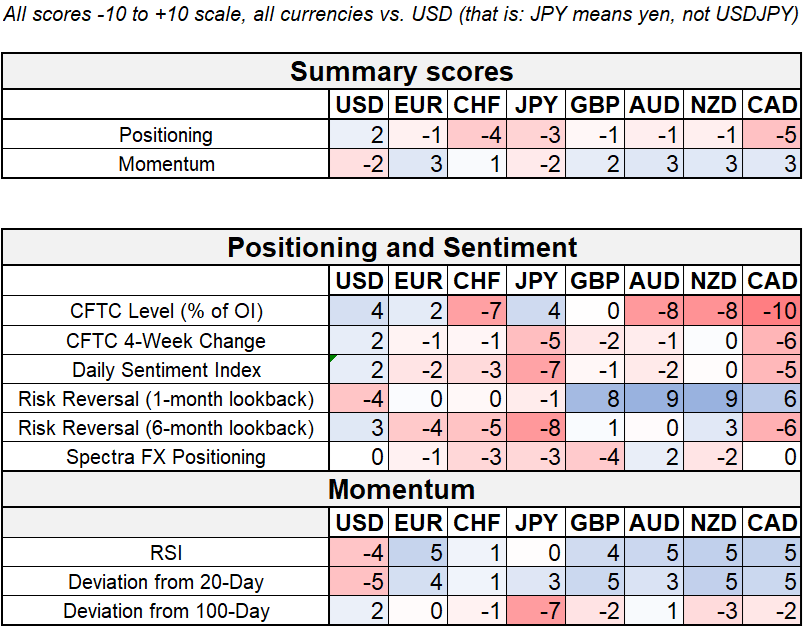
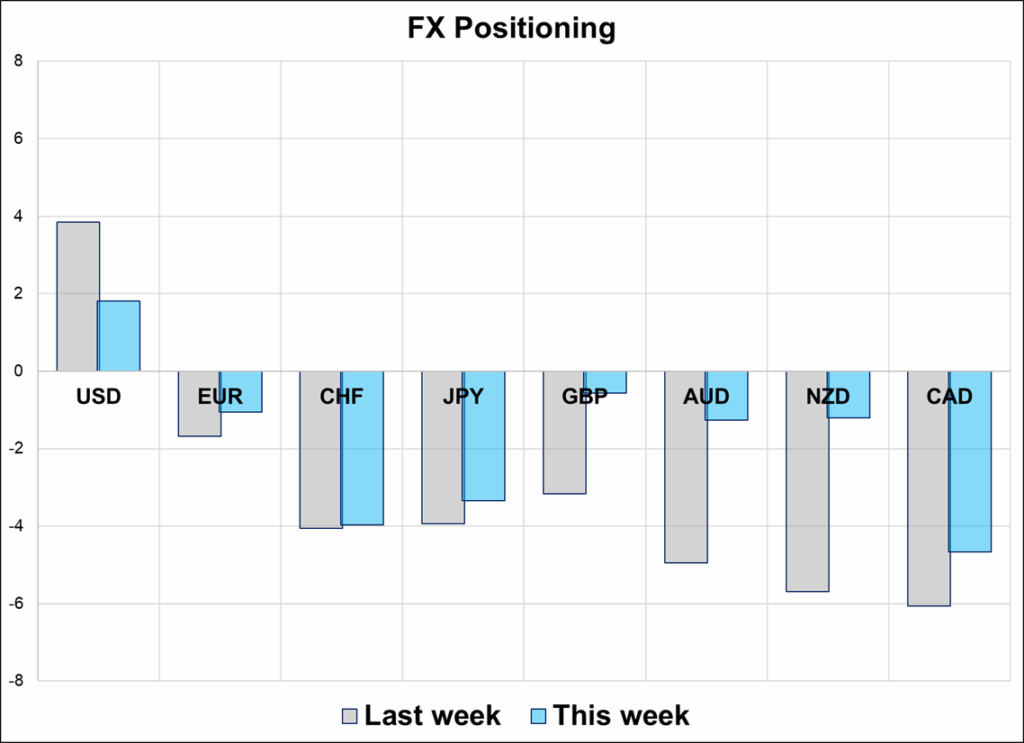
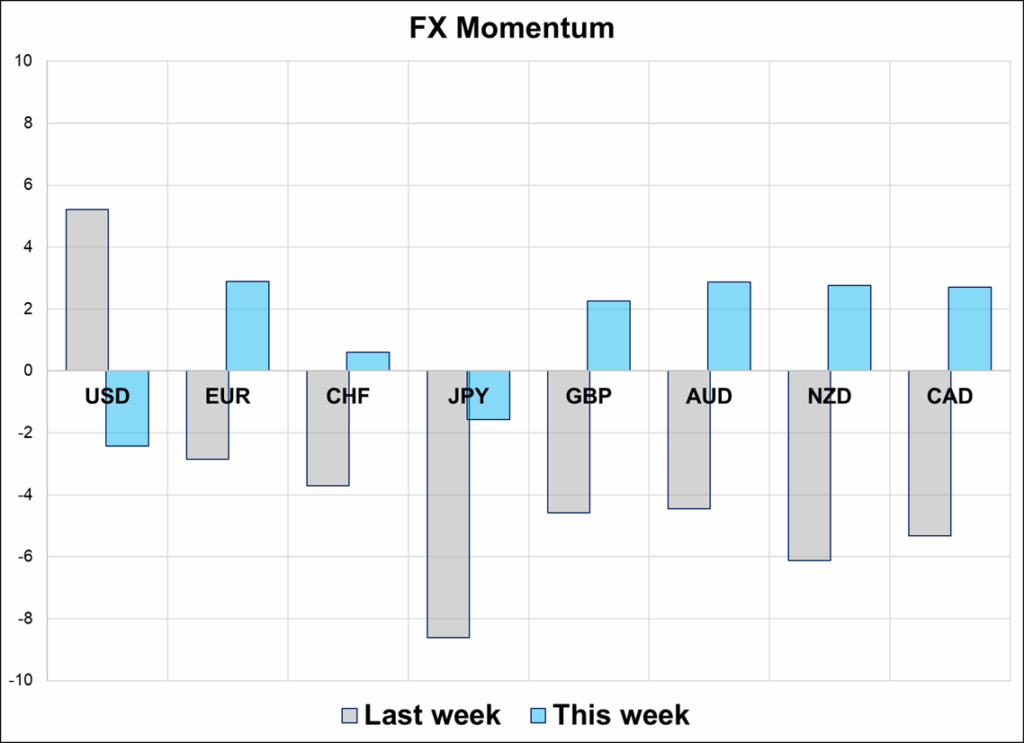
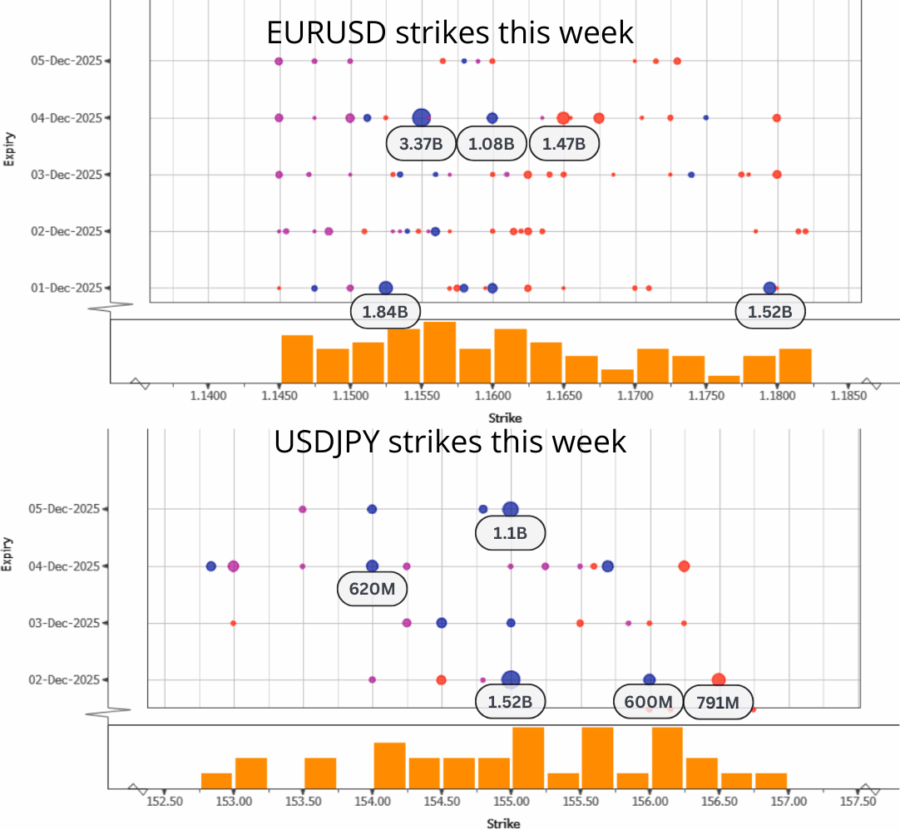
Positioning got sneaky long dollars there for a few weeks and that is now being unwound as the Fed is priced to cut, and the rest of the world ex-UK is either done cutting (RBNZ, ECB, Bank of Canada, RBA) or they are hiking (BOJ). When momentum is one way (USD down) and positioning is the other way (long USD), it’s a time to lean towards USD shorts. This was obviously much truer last week given the entry points. This week it’s much tougher. Some huge EURUSD strikes coming off Thursday and a bevy of 155s to consider in USDJPY.
“If patience is not one of your virtues, there’s a whole new kind of market coming up fast. It’s called the International Monetary Market in which positions in foreign currency futures are held for days or weeks rather than months or years.
The IMM has an almost magnetic attraction for certain kinds of investors—men of judgment who are willing to take greater-than-average risks in the hopes of greater-than-average gains.
The reasons for this attraction are not hard to find. There is virtually no inside information. There are only a handful of currencies to keep track of. There are no certificates to get lost. Going short is no problem—there’s nothing to borrow, no up-tick necessary. And you can normally get your money out the same day you close your position.
If you’d like to learn more about trading the British pound, Japanese yen, Canadian dollar, West German deutschemark, Swiss franc, Italian lira and Mexican peso—send us the coupon below.”
HT Timothy X. Power


This piece is mostly for people who are interested in backtesting