Patience and alert readiness for now
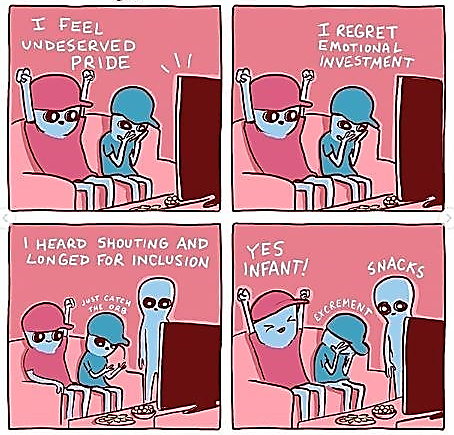
Strange Planet by Nathan Pyle

Patience and alert readiness for now

Strange Planet by Nathan Pyle
09SEP USDCNH call spread
6.7300/6.7400 for 42 CNH pips
Risking 42 to make 58 off 6.7430 spot
10SEP CHFJPY put spread
199/196 for ~37bps off 200.50 spot
There are particular parts of the calendar that always stand out. The turn of the year is the most obvious and most important because almost everyone, save a few Canadian banks, uses the calendar year to reset P&L. This creates a surge of excitement, risk appetite, and money flowing into themes as it’s go time Jan. 1.
Similarly, the advent of Labor Day is another time where risk-taking and market engagement tick up. August is marked by mandatory two-weekers for bankers, yacht trips for hedge fund CIOs, and Manhattan staycations for traders who are flat on the year and so they tell you: “August is actually my favorite month here.”
Normally, as late August rolls around, everyone comes back to the desk, one by one, and starts scanning for ideas that will take them to the promised land by December 31. You can see this in the data pretty easily. For example, here is 1-month EURUSD implied volatility over the course of the year. You can see that this year has followed the seasonal path almost perfectly[1].
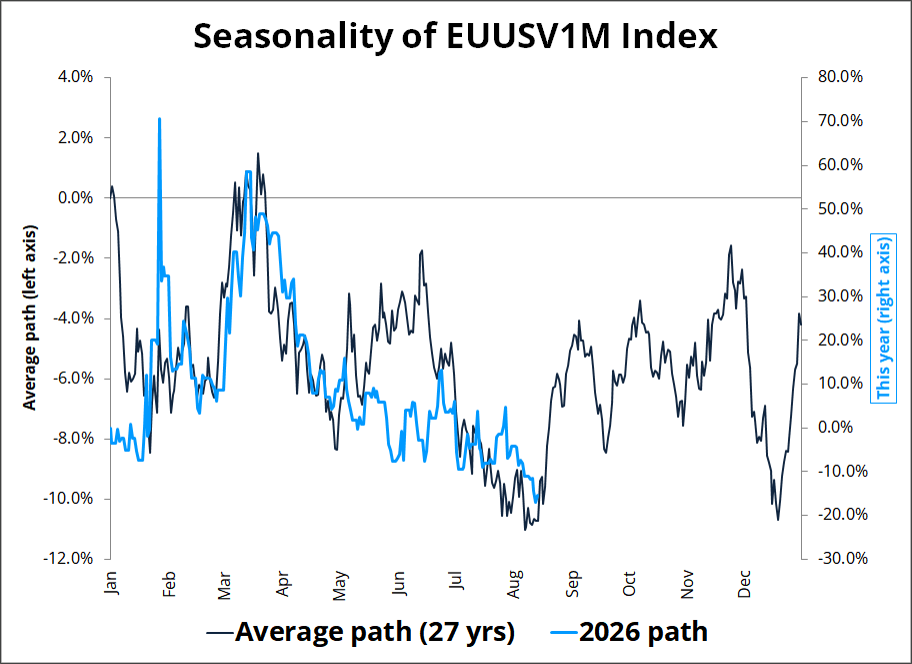
Quite a lot of charts look like that. VIX, MOVE index and others have a similar shape both historically and this year. I acknowledge that I am using a % of a % in that chart, which is one of the seven sins of charting, but in this case it makes no difference, because the y-axis magnitude is not what we are measuring. We are measuring the relative direction by time of year. So I will allow it.
So the general idea for traders is that you want to buy vol and position for the big sprint-to-the-finish themes around this time of year. There are some caveats this year, however, that make me think the pickup will come later.
First of all: Jackson Hole is a major reason why the late August period has strong seasonality towards higher vol. And this year’s confab is more likely to be a non-event than a barn burner. Here is a quick walk down memory lane.
2010 — Bernanke signals QE2: Opened the door to additional long-term asset purchases; stocks reversed sharply higher and QE2 followed in November.
2012 — Bernanke tees up QE3: Defended QE as effective and called labor-market stagnation a “grave concern,” leaving the door wide open to further easing; QE3 followed in September.
2014 — Draghi opens the door to ECB QE: Warned that inflation expectations had fallen significantly and promised use of “all available instruments,” a major dovish shift that paved the way for sovereign QE.
2016 — Yellen puts a hike back on the table: Said the case for a rate increase had “strengthened”; Fischer reinforced the message and markets repriced toward a hike by year-end, with September briefly back in play.
2019 — Powell signals further insurance cuts: Said the Fed would “act as appropriate” against trade-war/global-growth risks; two more cuts followed.
2020 — Fed rewrites its monetary-policy framework: Introduced flexible average inflation targeting and explicitly allowed inflation to run moderately above 2% following undershoots, while moving away from preemptive hikes based simply on low unemployment.
2021 — Powell decouples tapering from rate hikes: Said tapering could begin that year but argued high inflation was likely transitory and warned against premature tightening; stocks hit a record and the 2-year yield fell.
2022 — Powell delivers the “pain” speech: Killed hopes for an early Fed pivot and pledged restrictive policy until inflation was beaten; S&P −3.4% that day, accelerating a rollover, killing the summer rally.
2024 — “The time has come for policy to adjust”: Powell gave an unusually explicit green light for rate cuts; the Fed cut 50bp in September, beginning the easing cycle.
2025 — Powell reopens the door to easing and reverses the 2020 framework: Said the shifting balance of risks could warrant a policy adjustment while unveiling the revised framework that abandoned the 2020 makeup strategy; September cut odds jumped from roughly 70–75% to around 90% and the S&P rallied about 1.5%.
That’s a lot of forward guidance and volatility boosting! This year’s meeting has a boring and wonky title: “Financial Innovation: Implications for Payments and Policy.” Warsh is saying he doesn’t like forward guidance and the title of the symposium has very little to do with monetary policy so there is no reason to think that meeting will be volatility-enhancing.
Second, there are no great themes to chew on right now. Very often, going into Labor Day, there is some huge narrative or theme that has perhaps just started and everyone will pile into it. You can move a bit earlier than everyone else and ride the wave in September. I can’t identify a single theme like that right now in global macro.
Third, Labor Day is much later than usual. It falls on September 7 and North American desks are never max fully-staffed until the Tuesday after Labor Day.
Looking at seasonality charts in isolation can often lead to disappointment. The best thing is to understand what is driving the seasonality and then sometimes you can back out whether it’s a go with or an “ignore”. Right here, right now, I think the bullish seasonality for volatility will move to the right on the calendar for the three reasons stated. Jackson Hole non-event, no urgent macro narratives, and late Labor Day. So while most years I am bullish vol and bearish risky assets this time of year, I feel more like we just do nothing and grind around for two more weeks. As those two weeks unfold, I will be on high alert for new themes to look into for potential big moves in September. Until then, just a little patience. Some more patience.
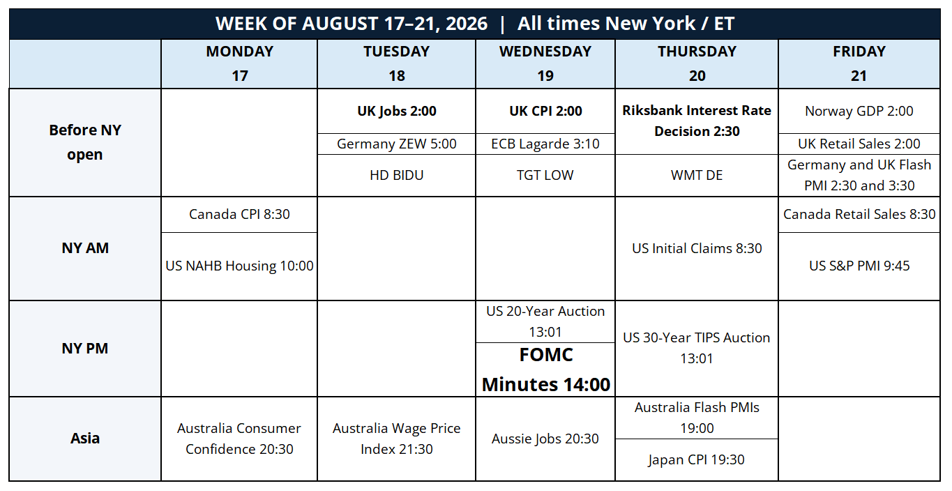
When the highlight of the week is FOMC Minutes, you can stay a few extra days in the Hamptons.
https://www.panoptica.com/free-treasure/
https://www.etf.com/sections/advisor-center/camp-kotok-ai-counterinsurgency
May you experience the coming two-day leisure interval with enthusiasm.