Month-end flows plus mega offside positioning = fireworks

My son took this photo and I think it’s cool
10-second exposure on iPhone

Month-end flows plus mega offside positioning = fireworks

My son took this photo and I think it’s cool
10-second exposure on iPhone
Flat
Yesterday was a textbook example of how flows and positioning can dominate. Yes, we got another Trump headline reassuring everyone that the war is almost done, but we get those almost every day now. What actually happened was that massive month end flows in FX ran into mega long USD positioning and then massive month-end rebalancing in equities. The AUD chart tells the whole story.
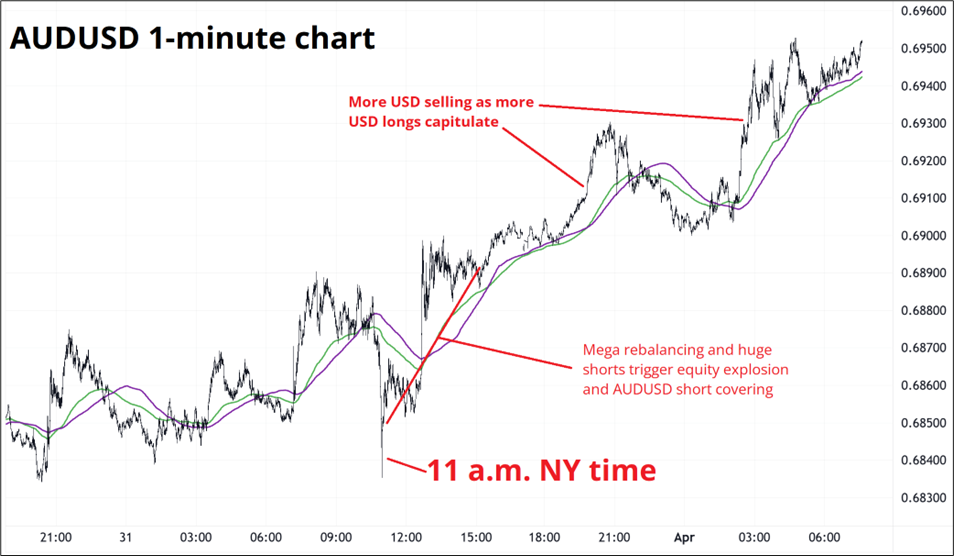
I hope the Spectra FX Positioning Report kept you out of trouble. I said yesterday I was super antsy on the AUD short but wanted to keep it into month-end rebalancing and that worked well. Now the month-end equity buying is done, but we usually get another day or two of stock buying as the start of the month is 401k time and passive flows tend to overwhelm other factors on the first two days of April. Below is daily seasonality of S&P 500 for the whole year. Note start of the month is almost always blue (bullish).
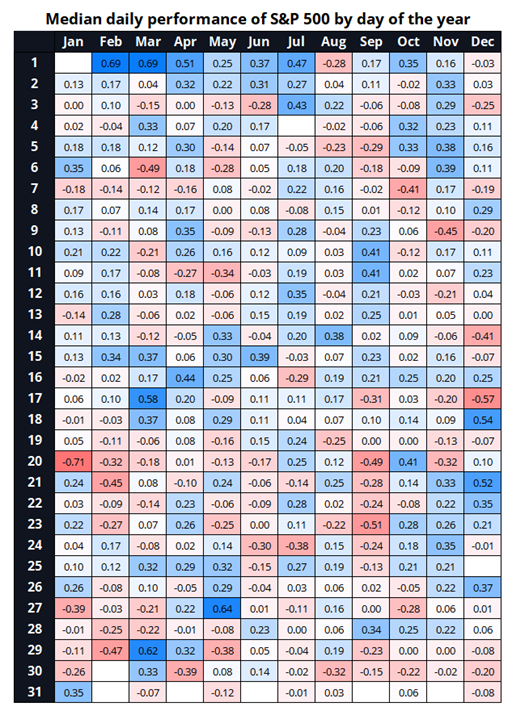
You can also see that mid-month is blue (again, because that’s when people get paid and automatic 401k money goes in) while the 20th to the 30th is a dead zone for inflows and therefore a less strong part of the month, on average.
All this stuff can feel a bit Global Micro, but obviously it’s important. You can get the narrative and the macro right but then the flows take over and they don’t care about macro. They just buy. At any price. And run everyone over.
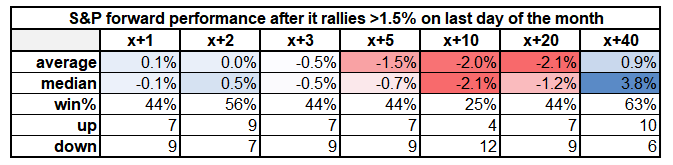
Anyone that has been trading for a while will recognize yesterday’s stock rip as a classic bear market rally. You don’t get rips like that unless a majority of fast money traders are short. I took a look at what happens after rallies of 1.5% or more in the S&P 500 on month end. As one might guess, the rally continues for a day or two on 401k inflows and then reverses. The bear trade resumes with most of the down move coming between day 3 and day 10. That means you can look for spots to sell again soon.
I do not believe anything the U.S. or Iran says about the war, but I am not in a massive rush to buy USD or sell stocks. Maybe tomorrow or Thursday, but then you get the weekend risk problem. For now, I am going to be flat and look for the next opportunity. My guess it will come from the short side in stocks, but I’m not sure. One thing I can say for sure is that the market is now not at all well-priced for U.S. ground troops in Iran.
With all the headline insanity surrounding the war, it’s easy to forget about the economy. Economic data and central bank policy have been completely captured by the improvisational whims of the actors in the current conflict. It’s worth asking: Can the U.S. economy absorb a fourth shock?
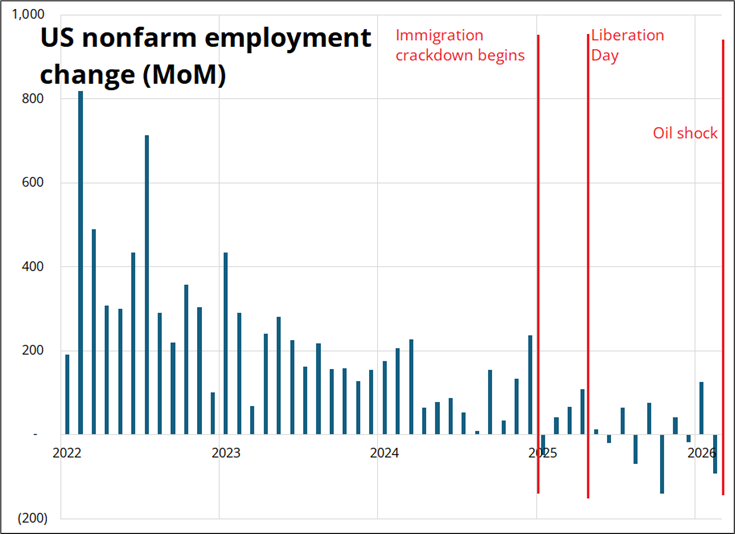
The first shock (massive rate hikes by the Fed) was absorbed because initial conditions were antifragile. Businesses had deleveraged, consumers were swimming in newly-printed cash, and tech earnings went to the moon. The second shock was the immigration crackdown. This has driven the breakeven for NFP much lower—a labor supply shock.
The third policy shock, Liberation Day, was eventually absorbed fairly well, but clearly the impact was meaningful and not completely irrelevant. Business leaders can deal with uncertainty to an extent, but nobody is hiring when policy is so random. There have been less than zero new jobs added in the U.S. since Liberation Day. Now, we have an oil shock.
And an AI shock. Something to think about once the dust settles, especially if we are now in a higher-for-longer oil environment. The U.S. economy is resilient, but it’s not indestructible.
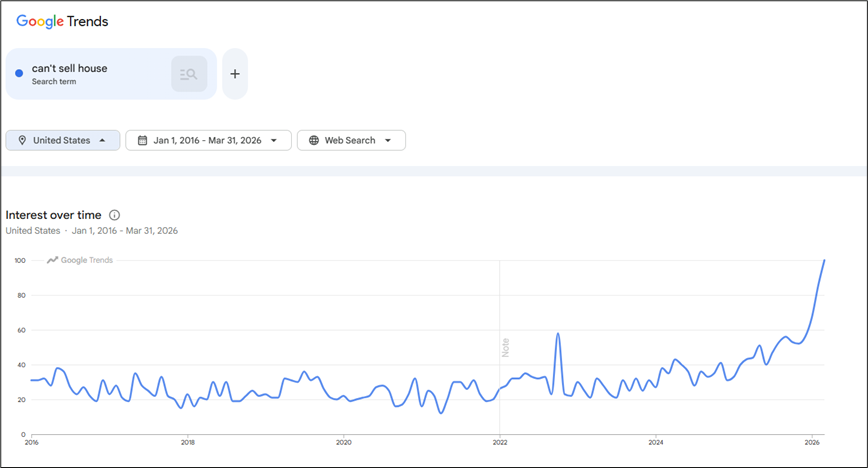
Speaking of the U.S. economy:
The craziest thing about the FX positioning chart I showed yesterday (reposting it here for your convenience) is how little the USD rallied on such a massive flip in positioning. This goes to the idea that the War in Iran is actually a USD-negative macro event but the market was forced to buy USD to exit massive pre-war USD shorts and to hedge risky assets through EURUSD puts etc.
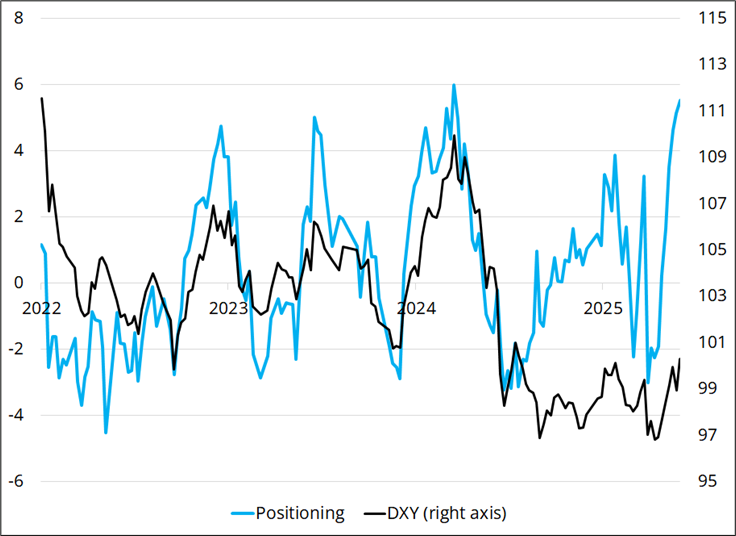
Not a USD bull market, more like forced buying. And that forced buying didn’t have a huge impact on price.
Have a picture-perfect day.
My son took this photograph and I think it’s cool