
Do or die time for semiconductor and memory stocks


Subscriber-only
Brazil, Canada, yen
A sort of almost unbelievably large move in Brazil. Plus: Short CADJPY.

Do or die time for semiconductor and memory stocks

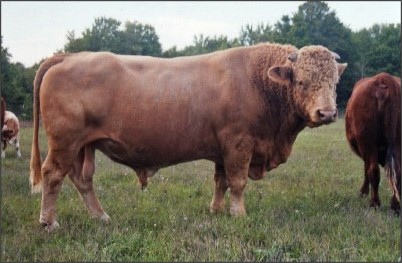
I am beefalo
Developed to combine the cold-hardiness and lean meat of bison with the docile temper and high-yield meat of cattle, a registered Beefalo is specifically bred to be 3/8 bison and 5/8 bovine.
31JUL 1.3500 GBPUSD call
23bps off 1.3415
Hedge 30% 1.3600/40
10SEP CHFJPY put spread
199/196 for ~37bps off 200.50 spot
30JUL USDMXN put fly
17.40/17.15/16.90
1X2X1 for 30bps off 17.52 spot
Two bits of feedback I received about my piece yesterday.
My methodology is admittedly simple, but further sophistication usually leads to a similar answer. You can use implied vol, exponential weighting (so the recent regime gets more weight), beta-weighting, PCA / factor decomposition models, or covariance-based models. Those are all more sophisticated but again, you’ll get similar answers.
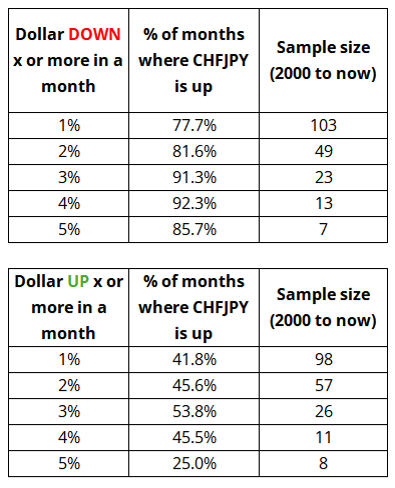
That table is not great news for my CHFJPY short in the short run, but my USD view could always change, and the play was to wait for an idiosyncratic change in flows as Katayama’s urging finally makes the big pension fund repatriation story come to life. So far, not so good, but we are a few days into a two-month trade.
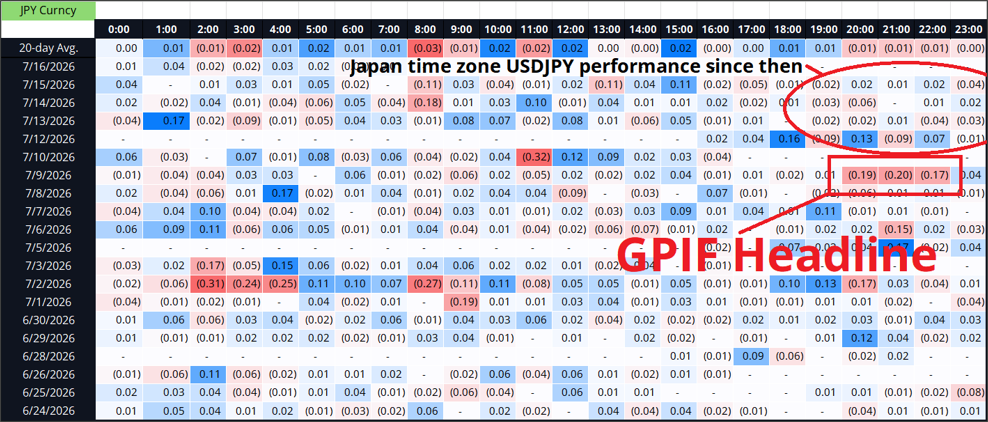
If GPIF and friends decide to start rotating into JGBs, we should see some evidence of that in the Japan time zone. Let’s see what it looks like so far. The “seeking to encourage GPIF to invest at home” story came out July 10.
This grid shows the hour-by-hour change in USDJPY over the past 20 days. No strong evidence of anything happening yet, though if you stare hard enough for long enough, you see more blue in NY than Japan.
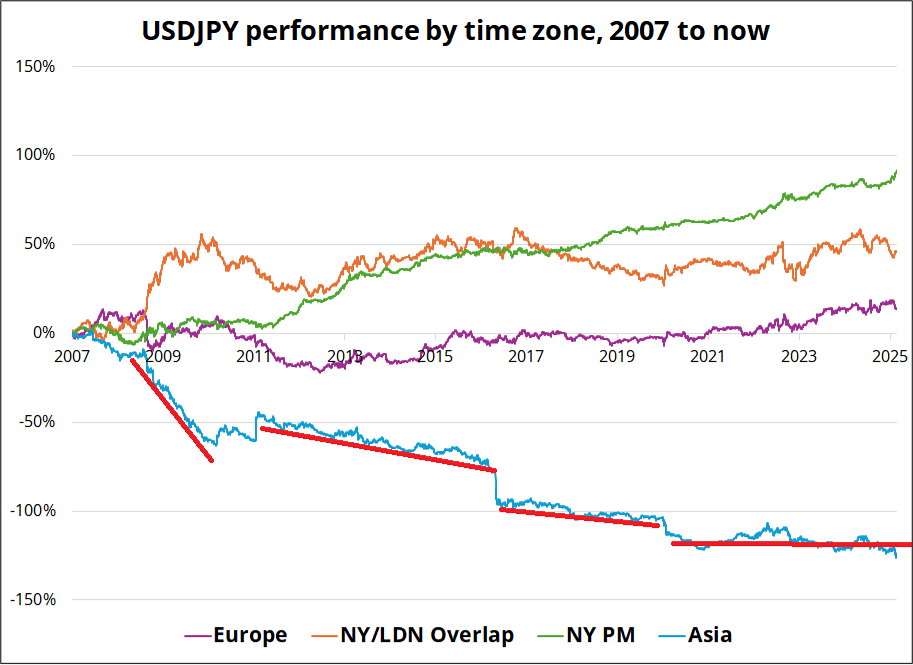
The historical pattern was always that NY buys USDJPY and Japan sells, but Japan’s selling flatlined after COVID due to a combination of factors: Oil importers buying more USD due to higher oil prices, NISA expansion, Fed hiking rates much faster than BOJ, and more. This next chart shows historical performance by time zone. I drew red lines on the Japanese time zone to show you the changing slope of USDJPY price action in Japan over time.
It’s easy to be bearish semis right now as the bears are in control, new issues are flooding the market, and the boom and bust nature of the sector makes it fun to short. There are pretty much two theories:
Or
Honestly, I feel like #1 is the easiest one to believe due to history and the tendency of humans to keep on repeating the same mistakes over and over, but #2 makes decent sense to me, too. To believe #2 certainly requires more imagination than a belief in #1. I’m not a medium-term trader or long-term investor, so what I want to note here is that if you are a believer in #2, we are now at some incredible entry points in MU, DRAM, and other high-vol momentum footballs. Exhibit A:
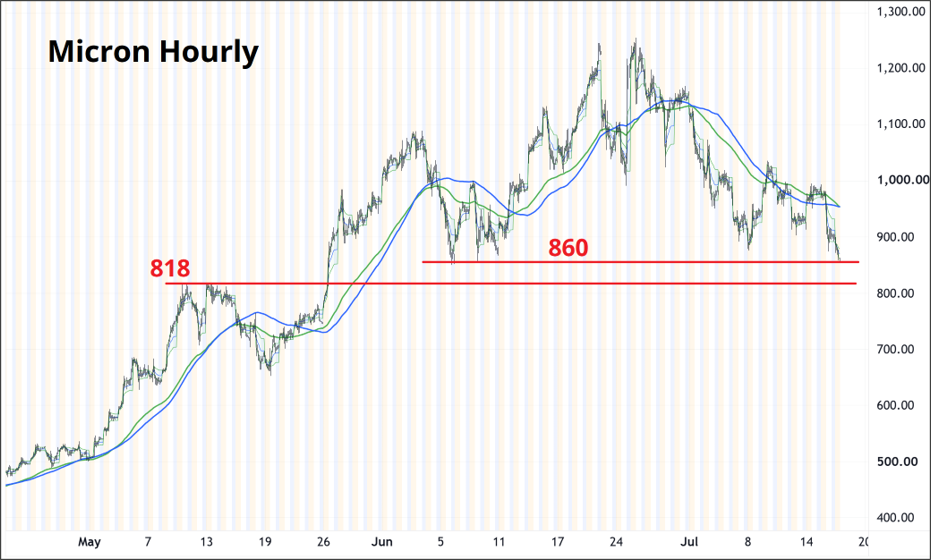
Exhibit B:
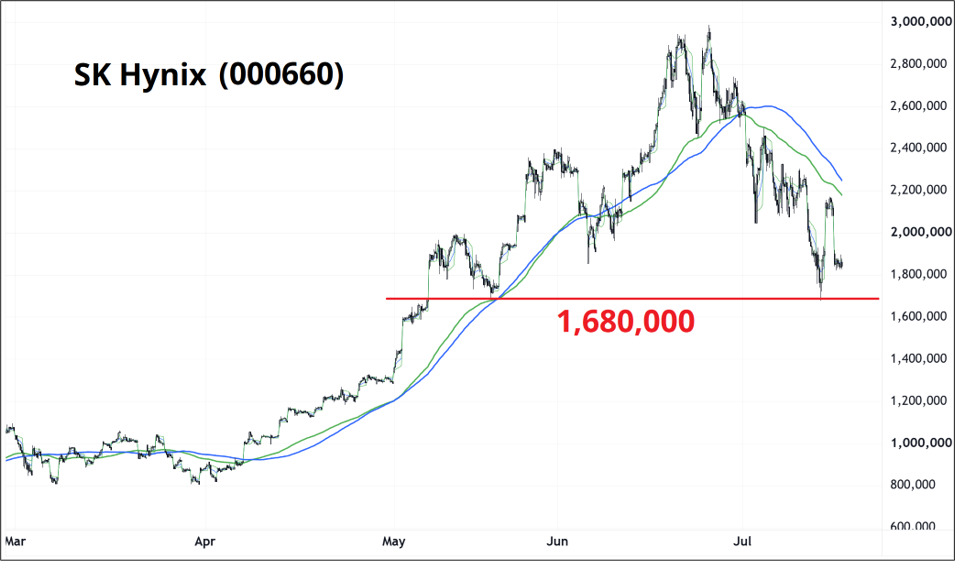
Exhibit C:
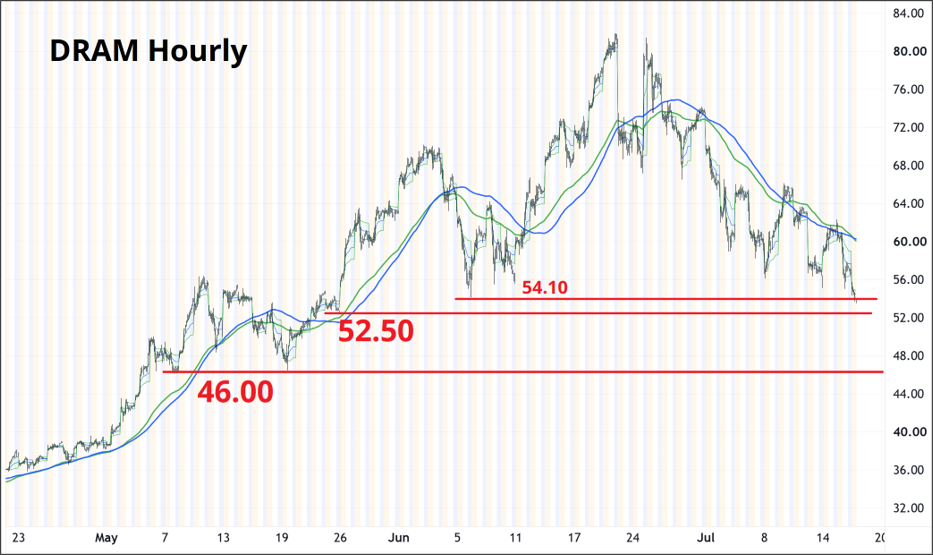
Long MU with a stop below 800 is positive EV, in my opinion. I don’t generally put single name stock plays in the sidebar, but I do like this enough that if I did, I would. I don’t think the story has changed enough to justify a complete collapse yet. META earnings will be a big tell as they are the most likely firm to be first mover and say something like “we have done enough capex, guys!” But that’s not until July 29, so there is time for a bounce in semis and memory first.
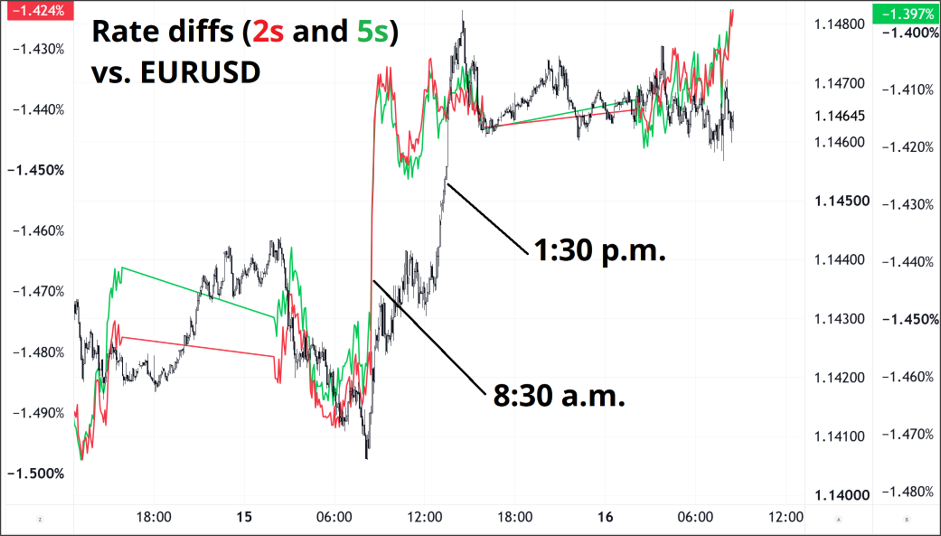
Have a ridonkulous day.
I am beefalo
Developed to combine the cold-hardiness and lean meat of bison with the docile temper and high-yield meat of cattle, a registered Beefalo is specifically bred to be 3/8 bison and 5/8 bovine.
Estimated global populations:
Cattle (cows): ~1.5 billion
Water buffalo: ~200 million
African buffalo: ~400,000–900,000
American bison: ~500,000
Beefalo (bison-cattle hybrids): ~ten thousand
A sort of almost unbelievably large move in Brazil. Plus: Short CADJPY.

NZD has a bunch of bullish kickers: Election, seasonality, and inflation
